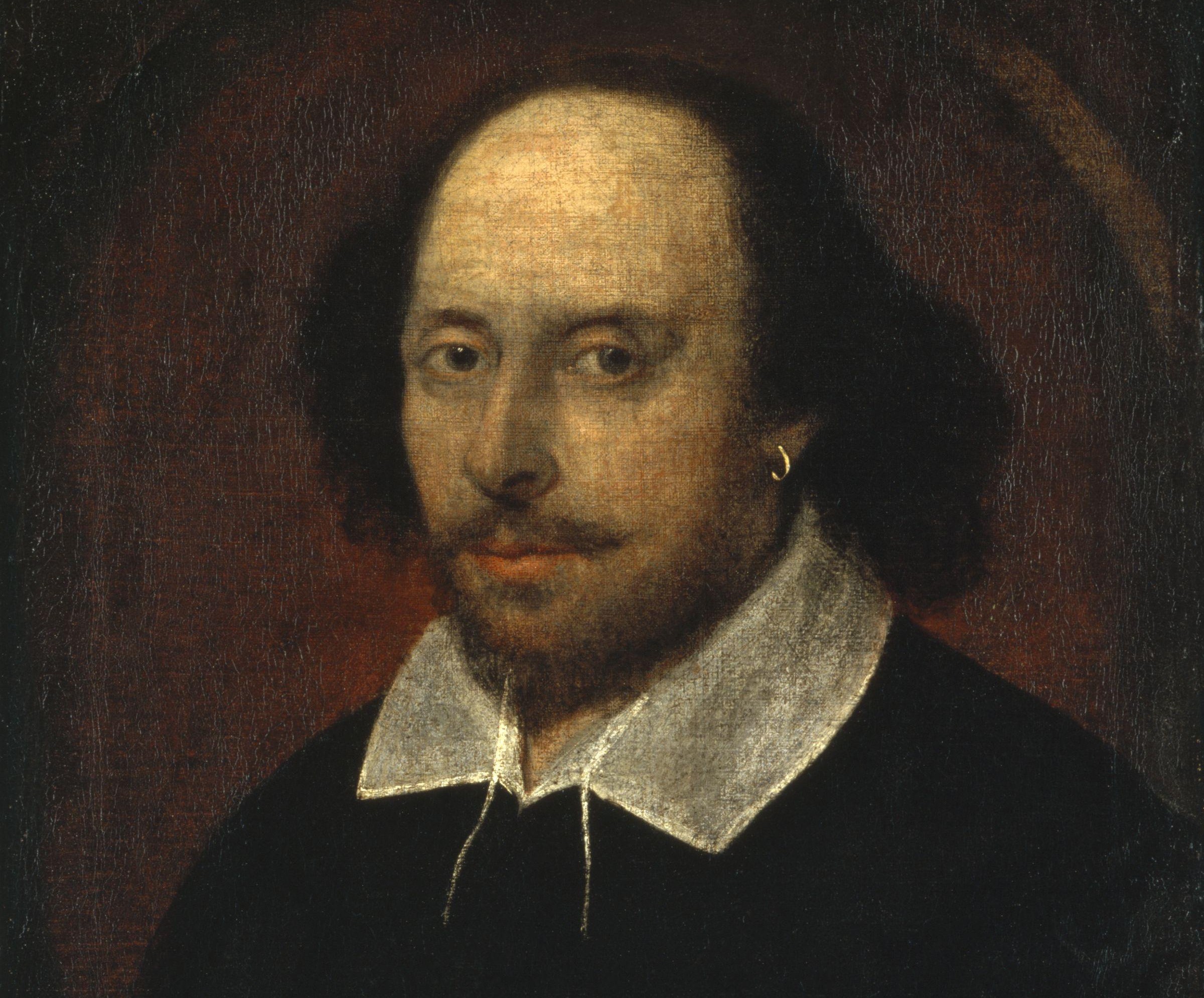
“William Shakespeare” is a name that inspires many sentiments: for some, it is admiration, for others, it is hatred. For people unfamiliar with the Elizabethan playwright’s work, however, that sentiment may be fear. Shakespeare’s plays have had a reputation of being impossible to understand and extremely outdated, only to be read and watched by people “educated enough” to decipher the enigma that was Shakespeare’s language. While said fears do have understandable origins, they are not insurmountable.
3 Reasons Why You Might be Afraid of Shakespeare’s Plays
-
The difficult language
The language used in Shakespeare’s plays might be the biggest obstacle people face when trying to read the plays for the first time (or even the first few times). Shakespeare wrote his works during the 16th and 17th centuries, during which most works were written in Early Modern English, which is both very similar and vastly different to the English we speak today. Additionally, Shakespeare’s plays incorporated multiple literary devices, such as blank verse, rhyme, and prose, that might pose even more difficulties for new readers.
Blank verse
Blank verse is poetry written with a rhythm but with no rhyming. Shakespeare’s plays were very often written using iambic pentameter, a rhythm structure consisting of ten beats, alternating between one stressed beat and another unstressed beat (da-DUM, da-DUM, da-DUM, da-DUM, da-DUM). Many new readers might find this structure unfamiliar and difficult to follow, which might discourage them from Shakespearean texts.
Rhyme
Shakespeare’s plays also used rhyming couplets, or two lines that end in words that rhyme or sound the same. While this device was not usually used throughout the entire work, it was often used for certain purposes, such as placing emphasis on a certain part of dialogue.
Prose
Prose is text that has no rhythm or rhyme, which means that dialogue written in prose is the closest portrayal of how the average person spoke during that time, which is still very different to how people speak English today.
Additionally, these issues are exacerbated when a reader’s only access to Shakespeare’s plays is the written script, which, during that time, was usually only read by the playwright and the actors, while the plays themselves were performed for an audience.
-
The outdated concepts
Many people would argue that Shakespeare’s plays were a product of their time that should remain in their time. This argument is often made not only in relation to Shakespeare’s language but also in relation to many of the concepts that can be found in his plays, such as misogyny (The Taming of the Shrew), racism (Othello), and antisemitism (The Merchant of Venice), among others. Many find that such concepts, ranging from outdated to downright offensive, make it difficult for them to read or even watch any of Shakespeare’s plays
-
The elitist reputation
When most people hear the name “Shakespeare,” the first image that comes to mind might be a group of people dressed to the nines (maybe even wearing ruff collars) and sitting down to either watch one of Shakespeare’s plays or discuss them while elegantly sipping tea. As such, the reason a person might be afraid of tackling a work written by Shakespeare might not have anything to do with the work itself, but rather with the reputation attributed to the playwright and his works.
In more recent times, Shakespeare’s plays (or any of his works) have become associated with the educated upper classes, with many people from that group, who are already interested in and have extensive knowledge of the Elizabethan playwright’s works, viewing themselves as part of an exclusive club that not just anyone is allowed to enter.
3 Reasons Why You Shouldn’t be Afraid of Shakespeare’s Plays
-
Shakespeare’s plays use difficult language (and that is a fact)
No one in today’s world is born with the ability to understand Early Modern English, so it would be unreasonable to expect someone to immediately understand any Shakespearean text on their first or even their fifth try. This is why many editions of Shakespeare’s plays have extensive footnotes and annotations that provide explanations and context for parts that might be unfamiliar or difficult for the modern reader to understand.
Of course, this is for people who choose to read Shakespeare’s plays. Many people have become accustomed to treating Shakespearean works as “texts” rather than what they actually are: plays, meant to be performed and watched. Watching one of Shakespeare’s plays being brought to life through performances, sets, and costumes could help people immerse themselves more in the playwright’s stories more than simply reading the script would.
-
Shakespeare’s plays are timeless
While Shakespeare’s plays do have many outdated and/or offensive ideas, this is a result of the play being written at a time when such concepts were viewed as normal: racism and antisemitism were common, and women had very little rights in 16th century England. As such, Shakespeare’s plays can be seen as products of their time.
However, Shakespeare’s works also discuss universal themes, such as power hunger, greed, and tyranny (Macbeth), grief, revenge, and hesitation (Hamlet), doubt and jealousy (Othello), love and its potentially destructive nature (Romeo and Juliet), among others. Such concepts remain timeless and relatable regardless of when or where they are seen or read.
-
Shakespeare’s plays were meant to be inclusive
One of the defining characteristics of Shakespeare’s plays was that they were performed for a very wide audience, from England’s royal family to lower-class workers. Shakespeare made sure that everyone would be able to understand his plays: the dialogue written in blank verse and used by upper-class characters could be understood by the educated royalty, nobility, and middle classes, while the dialogue written in prose and used by lower-class characters could be understood by lower-class workers.
Additionally, while Shakespeare’s plays usually followed protagonists from royalty or nobility, they also included middle-class or even lower-class characters. While the lower-class characters were often relegated to comic relief, which could be an argument made against the playwright, that could also be a result of Shakespeare’s plays being written in an England ruled by an absolute monarch and Shakespeare’s works and productions being patronized by royalty and nobility. As such, elevating Shakespeare’s plays to works that only “the elite” can understand goes against the reason why Shakespeare was widely popular during his own time.
William Shakespeare’s plays can be admittedly difficult for most modern readers for a variety of reasons, be it the old form of English used, the outdated ideas, or the elitist reputation attributed to Shakespearean plays. However, once people find the right resources that help them understand the language and overcome the false reputation surrounding the playwright’s works, they will discover rich and nuanced stories with unforgettable characters and timeless themes.