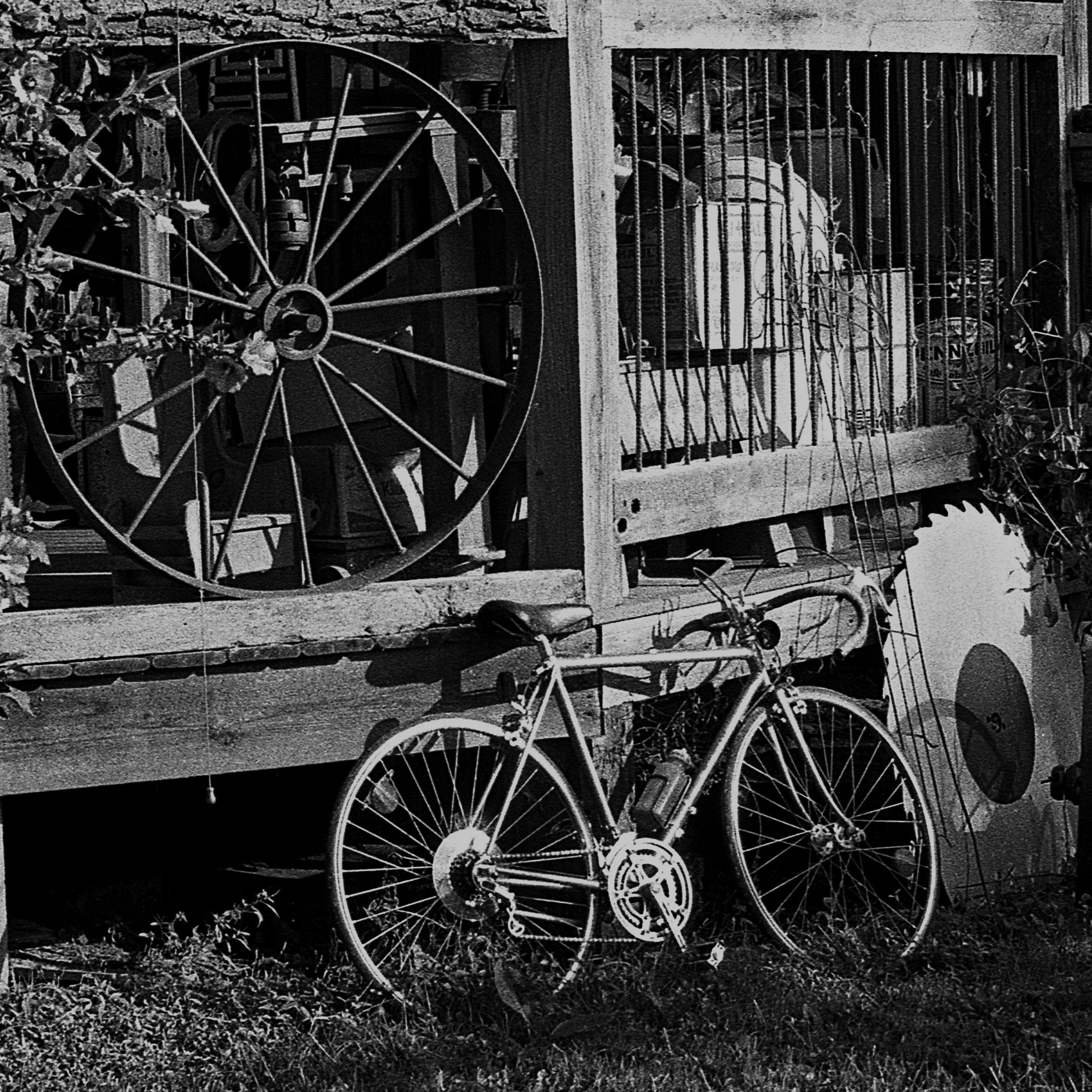
Close your eyes for a moment and think of a time that feels quietly perfect. Perhaps it is a summer afternoon from childhood, a song playing on an old radio, a game played in the street until sunset, or a film watched with family on a worn sofa. The details may be small, but the feeling is large: safety, belonging, ease. Many people across cultures and generations carry such inner snapshots. We collectively call them “the good old days.”
Yet the phrase is curious. It suggests that goodness belongs to what has already passed, that earlier times possessed a warmth missing from the present. Were those days truly better—or does memory itself create their glow? Exploring old games, movies, music, and the role of technology reveals that nostalgia is not merely longing for the past; it is a psychological process that shapes how we experience time, identity, and meaning.
Table of Contents
ToggleThe Architecture of Nostalgia

When people speak of the good old days, they are rarely referring to objective conditions. Few decades we
re universally easier, kinder, or more prosperous than today. Yet memory is not an archive; it is an editor. It softens edges, erases mundane frustrations, and preserves emotional highlights. Psychologists sometimes describe this as rosy retrospection—the tendency to recall past experiences as more pleasant than they actually were.
What remains are scenes: late afternoons that seemed endless, laughter that felt unmanufactured, relationships untouched by adult obligations. Even difficulties—scarcity, distance, slower communication—are reframed as virtues: simplicity, patience, anticipation.
Old Games: Play Before Screens
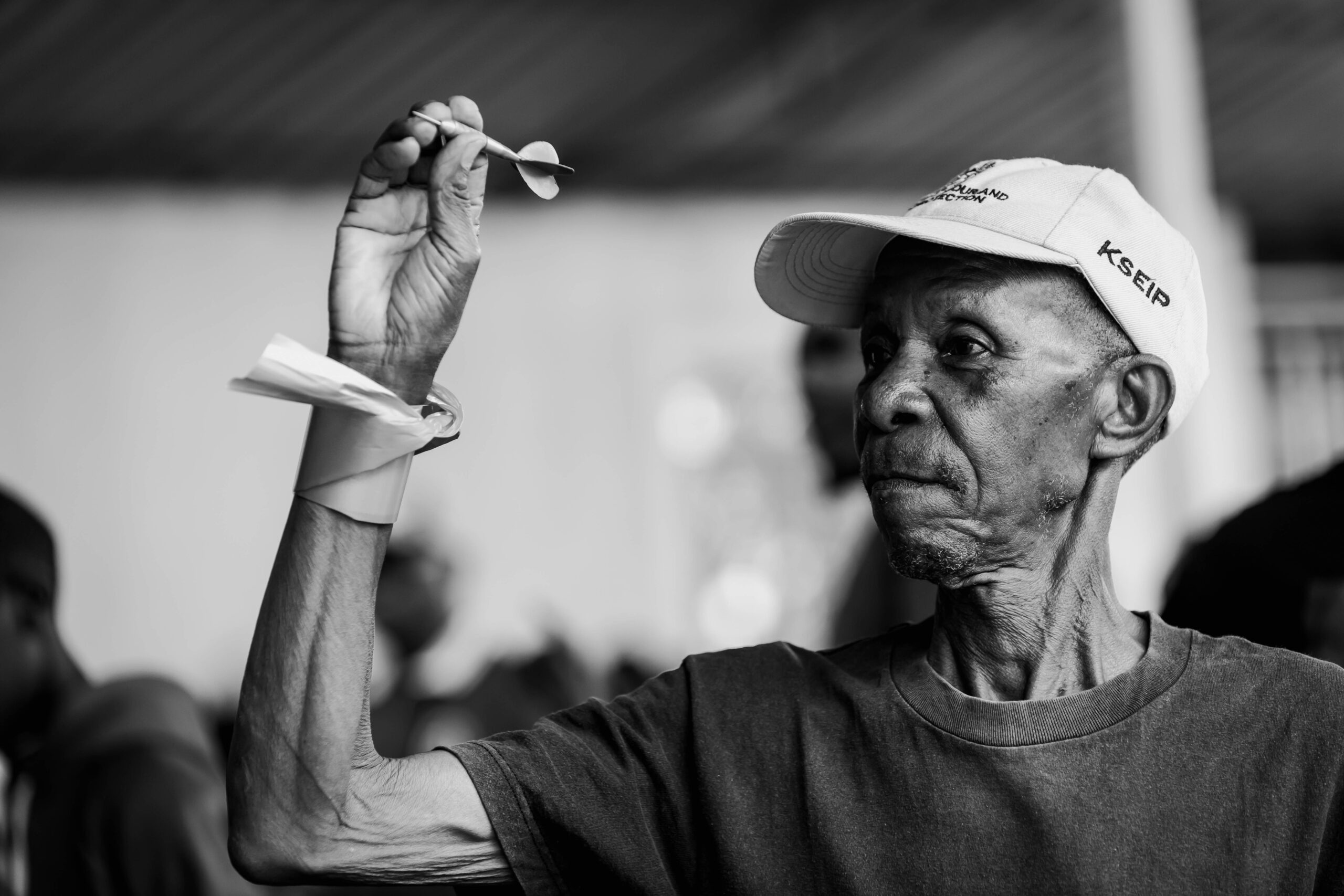
For many, childhood memories center on physical, social play: neighborhood football, hide-and-seek, board games spread across the floor. These activities required co-presence and improvisation. There were few structured rewards or digital feedback loops—only the immediate joy of participation and competition among friends.
Even early video games carry nostalgic weight today. Titles like Super Mario Bros. or Tetris evoke a time when gaming felt novel and communal—shared on living-room screens rather than individualized on personal devices. Their simplicity contrasts with modern gaming ecosystems, reinforcing the sense of innocence associated with earlier play.
Old Movies: Shared Cultural Moments
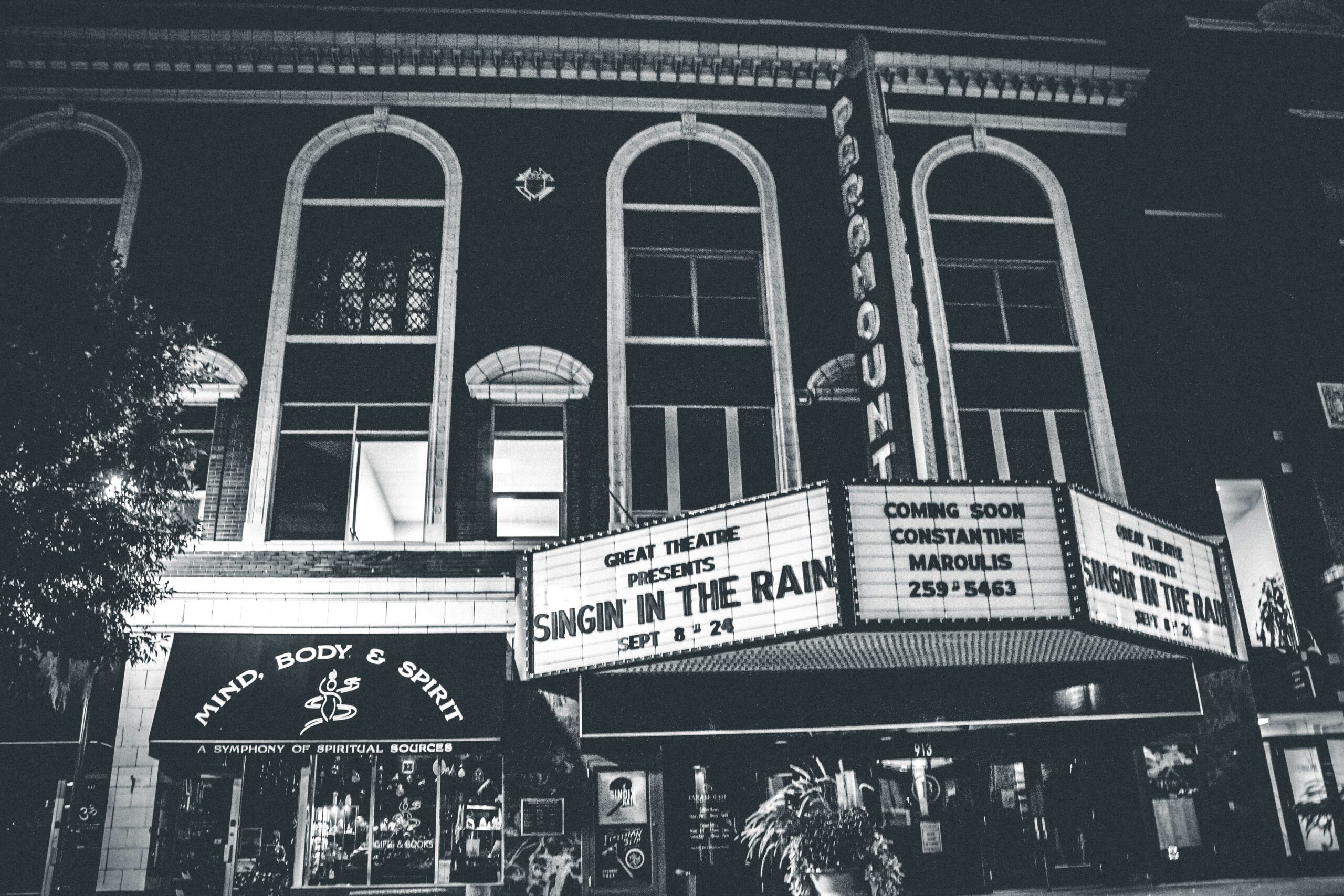
Cinema once functioned more collectively. Fewer channels and
release windows meant that films became generational touchstones. Watching Back to the Future or The Lion King was not just entertainment but participation in a shared cultural timeline.
Older films are often remembered as “better” not purely for craft but for context: who we were when we first saw them, whom we watched with, and how rarely such spectacles appeared. Rewatching them reconnects viewers not only with the story but with a prior self.
Old Songs That Feel Gold

Music is perhaps the strongest nostalgia trigger because of its neurological ties to memory and emotion. Songs encode time. Hearing Bohemian Rhapsody or Billie Jean can instantly reconstruct entire periods of life—places, relationships, identities.
“Old songs feel gold” partly because they are filtered through personal history. They remind listeners of who they were when the music first mattered. The emotional association persists even if musical tastes evolve.
Why Singers Keep Singing About the Old Days
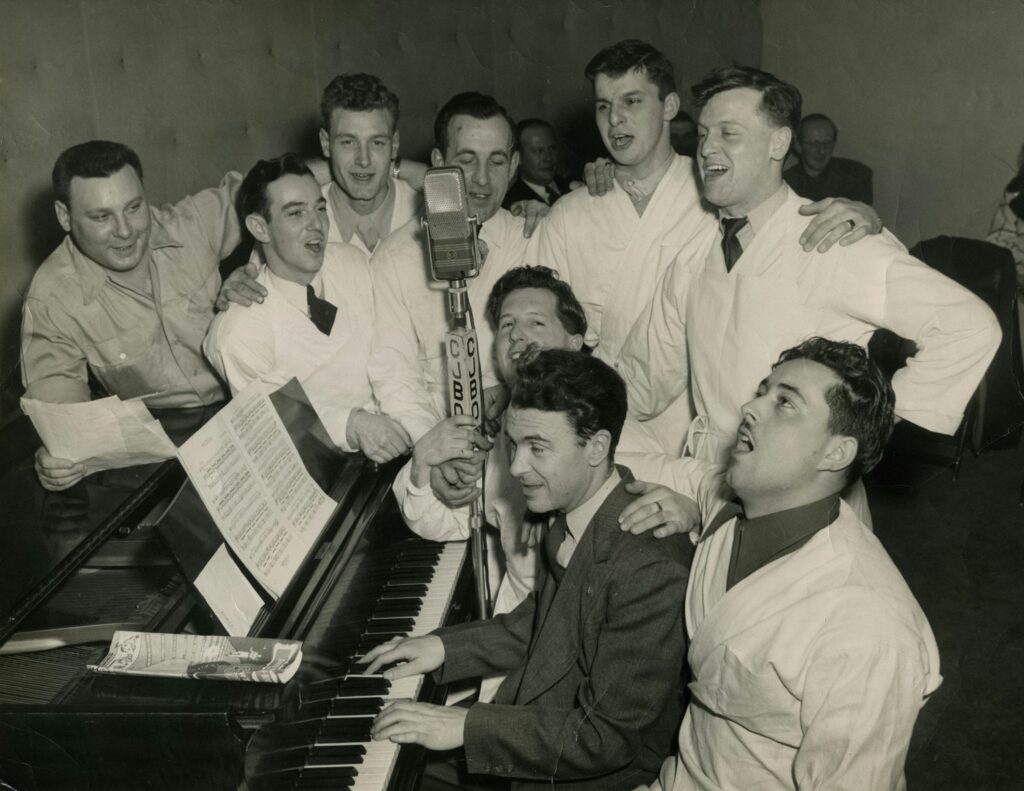
Nostalgia is not only personal; it is a major artist
c theme. Musicians frequently return to memories of youth, lost love, hometowns, or earlier eras because nostalgia resonates universally. Songs about the past allow listeners to project their own memories onto the lyrics, creating deep emotional identification.
For artists, the past offers several expressive advantages:
-
Emotional clarity: distance makes feelings easier to articulate
-
Narrative coherence: earlier life phases have defined beginnings and endings
-
Shared relatability: audiences recognize similar milestones
-
Identity anchoring: recalling origins reinforces authenticity
Many iconic songs explicitly center on looking back. For example:
-
Summer of ’69 — youthful ambition and formative experiences
-
Yesterday — longing for a simpler, happier time
-
Good Riddance (Time of Your Life) — reflective life transitions
-
1979 — adolescent memory and suburban youth
Such songs function almost like emotional time machines. They allow both singer and listener to revisit earlier selves, preserving identity continuity across time.
Technology as a Generator of Nostalgia
Paradoxically, modern technology intensifies nostalgia. Digital archives, streaming platforms, and social media continuously surface past media, anniversaries, and “memories.” The past is no longer distant; it is algorithmically resurfaced.
This produces accelerated nostalgia: people feel nostalgic for periods only a few years behind them because technological cycles make cultural change rapid and visible. Each new device or platform renders the previous one obsolete—and therefore sentimental.
Technology also changes how experiences are lived. When moments are documented rather than simply experienced, they are implicitly framed as future memories. The awareness that something will later be looked back upon can itself create nostalgia in real time.
Did People in Those Ages Really Feel Better?
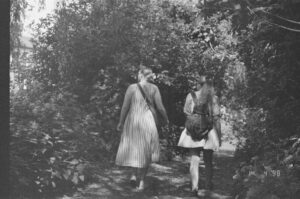
Historical reality is mixed. Earlier generations faced significant hardships: economic instability, limited healthcare, restricted mobility, fewer rights for many groups. Subjective well-being was not universally higher.
However, some structural differences may have supported certain forms of contentment:
-
stronger local communities
-
clearer social roles
-
slower information flow
-
fewer global comparison pressures
These conditions can foster belonging and identity stability—key components of perceived well-being. Yet they coexisted with constraints and inequalities. The good old days were emotionally rich for some and difficult for others.
The Personal Timeline Effect
Each generation has its own good old days. For some, it is childhood in a specific decade; for others, early adulthood or formative career years. Nostalgia is therefore less about objective history than about biography. We idealize periods when possibilities seemed open and identity formation was active.
As responsibilities accumulate and novelty decreases, earlier periods appear lighter by comparison. The mind anchors to moments when discovery felt continuous.
Using the Good Old Days to Improve the Future
Nostalgia can be constructive when treated as information rather than destination. The key question is not “how do we return?” but “what elements made that time feel meaningful?”
Common recurring elements include:
-
unstructured social time
-
shared cultural experiences
-
anticipation and delayed gratification
-
local belonging
-
embodied activity (play, gatherings, rituals)
These can be intentionally cultivated today: communal movie nights, neighborhood gatherings, device-free evenings, revived traditions, shared music listening, cooperative hobbies. In this way, the good old days become a design reference for future well-being rather than an unreachable past.
The Negative Side of Nostalgia
Despite its warmth, nostalgia can become harmful when it idealizes the past at the expense of the present. Excessive nostalgia may lead to:
-
dissatisfaction with current life
-
resistance to change
-
avoidance of new experiences
-
generational pessimism (“things were better before”)
-
identity stagnation
When individuals or societies over-attach to earlier eras, innovation and adaptation suffer. The past becomes a refuge rather than a resource.
A Practical Resolution: Turning Nostalgia Into Growth
The healthiest response is not to reject nostalgia but to integrate it constructively. A practical framework:
-
Identify the core feeling
(connection, freedom, creativity, belonging) -
Separate feeling from era
recognize the emotion is not bound to time -
Translate into present actions
recreate similar conditions now -
Balance memory with novelty
pair revisiting with new experiences -
Reframe the present as future nostalgia
treat current life as tomorrow’s “good old days”
This approach converts nostalgia from backward longing into forward design. The past becomes evidence of what humans need to thrive—not proof that fulfillment is gone.
The Ever-Moving “Old”
Every present becomes someone’s good old days. The routines and gatherings that feel ordinary now will later be remembered with tenderness. This reframes nostalgia from loss to continuity: we are always living in a future memory.
The good old days, then, are not a vanished era but a recurring human condition—the phases when life feels vivid, connected, and meaningful. They recede, return, and can be recreated, not by reversing time, but by recognizing what made those days feel golden and carrying those elements forward into the lives we are still shaping.
Leave a Reply