
Preschoolers are naturally curious about the world around them. Developing cognitive skills activities for preschoolers is important for fostering problem-solving and encouraging curiosity and exploration
? What Is Cognitive Development
Cognitive development refers to how children think, explore, understand, and interpret the world around them. It involves essential mental processes such as memory, attention, problem solving, reasoning, and language skills
During the preschool years (ages three to five), brain growth happens rapidly. This stage is especially important for introducing structured cognitive skills activities for preschoolers, as these early experiences shape how children learn, focus, and process information later in school.
Supporting cognitive development at this age builds a strong mental foundation that benefits children academically and socially.
Why Cognitive Skills Activities Matter in Early Childhood
Early childhood is a critical period for strengthening thinking skills. Purposeful cognitive skills activities for preschoolers help improve memory, concentration, logical reasoning, and language abilities in a natural and engaging way.
When children participate in consistent mental stimulation, they develop better problem-solving skills and greater confidence in their abilities. This is why choosing the right cognitive activities during preschool years makes a lasting difference.
Types of Cognitive Skills Activities for Preschoolers
There are many effective and age-appropriate cognitive skills activities for preschoolers that support memory, attention, reasoning, and early academic readiness. The following activities are simple, practical, and easy to implement at home or in the classroom.
Rhymes and Songs –

Rhymes and songs strengthen auditory memory and language processing. Repeating lyrics and following rhythm patterns help preschoolers improve recall and listening skills.
Incorporating musical cognitive skills activities for preschoolers enhances phonological awareness, which is essential for early reading development.
Puzzles-

Puzzles encourage logical thinking and spatial awareness. When children try to match pieces or solve visual challenges, they practice problem-solving and critical thinking.
Puzzle-based cognitive skills activities for preschoolers also build patience and concentration as children work toward completing a task.
Memory Games-
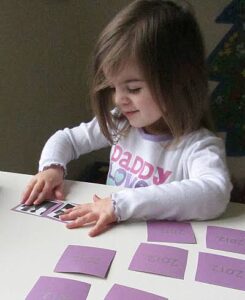
Memory games directly train working memory. Activities like matching cards or remembering sequences strengthen neural pathways involved in information retention.
Adding memory-focused cognitive skills activities for preschoolers improves attention span and supports academic skills such as reading comprehension and math readiness.
Tracing and Copying Activities-
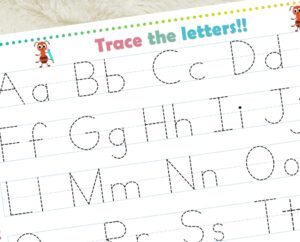
Tracing shapes, letters, and patterns improves visual recognition and fine motor coordination. These activities connect cognitive processing with physical execution.
Structured tracing as part of cognitive skills activities for preschoolers prepares children for writing while also improving focus and pattern recognition.
Construction Play-
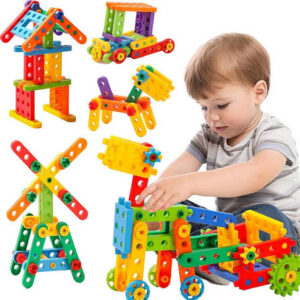
Building with blocks or construction toys promotes planning, creativity, and cause-and-effect understanding. Children experiment with balance and structure, which strengthens spatial reasoning.
Construction-based cognitive skills activities for preschoolers also develop executive functioning skills such as organizing and sequencing.
Storytelling Activities-

Storytelling supports imagination, sequencing, and language development. When children retell or create stories, they learn how to organize ideas logically.
Story-driven cognitive skills activities for preschoolers improve comprehension, memory retention, and communication skills.
Outdoor Play-

Outdoor activities provide real-world problem-solving opportunities. Exploring nature, sorting objects, or observing patterns stimulates curiosity and analytical thinking.
Hands-on cognitive skills activities for preschoolers outdoors also improve attention and emotional regulation.
Number Games-

Simple counting games and pattern recognition exercises build early mathematical reasoning. Children begin to understand sequencing and quantity relationships.
Number-based cognitive skills activities for preschoolers strengthen logical thinking and prepare children for formal math learning.
Digital Apps and Games-

Educational digital tools can reinforce memory, attention, and problem-solving when used appropriately. Interactive platforms can complement traditional cognitive skills activities for preschoolers.
However, screen time should be balanced and supervised to ensure healthy cognitive development.
Conclusion
The preschool years offer a powerful opportunity to shape a child’s thinking abilities. Incorporating diverse and intentional cognitive skills activities for preschoolers supports memory, reasoning, attention, and problem-solving skills.
By providing structured yet playful cognitive experiences, parents and educators can give preschoolers a strong foundation for lifelong learning