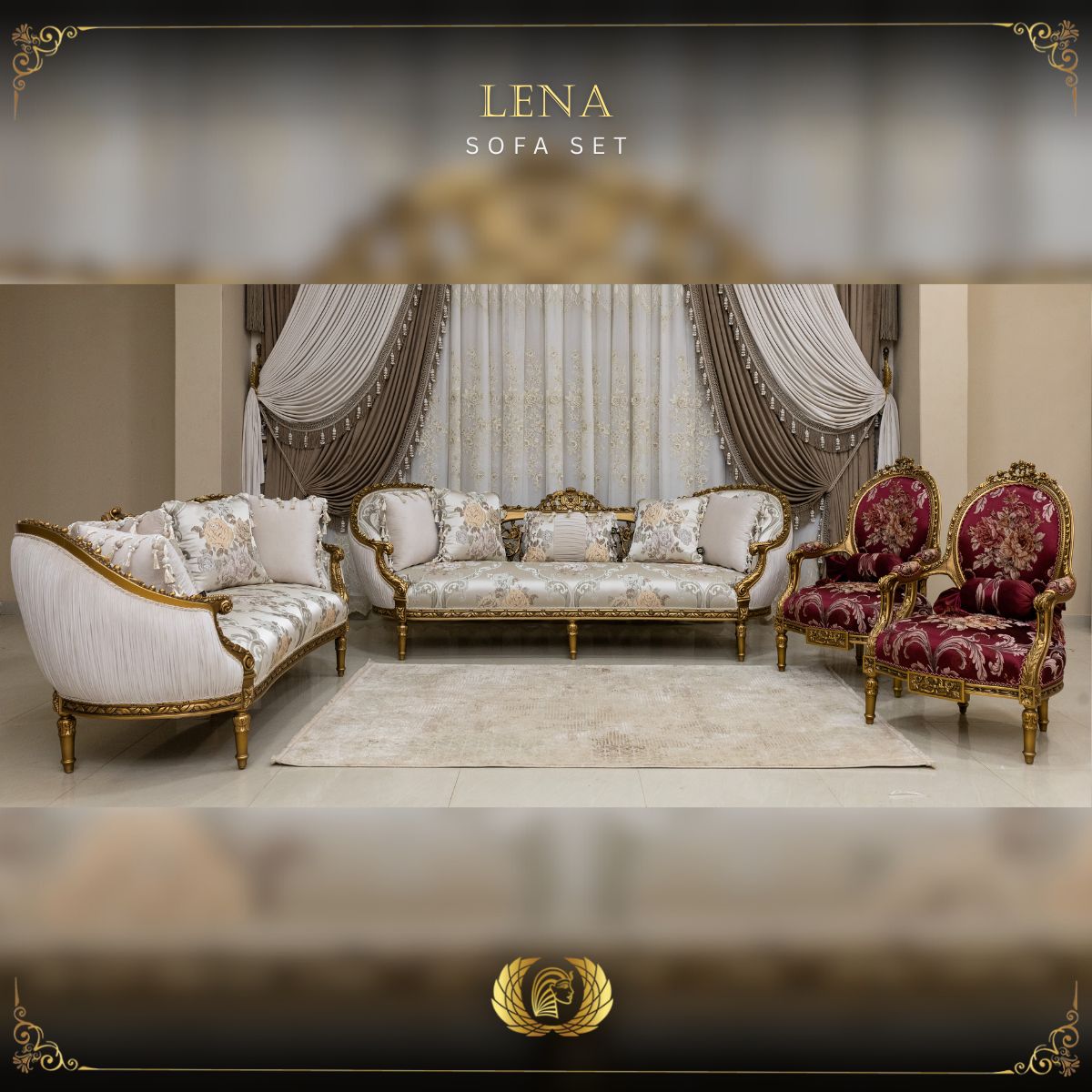
Victorian furniture refers to the rich, decorative, and highly detailed styles that became popular during the reign of Queen Victoria from 1837 to 1901. This period was marked by rapid industrial growth, global cultural influences, and a strong emphasis on elegance and social status—all of which were reflected in the furniture of the time. What is Victorian furniture are known for their ornate carvings, dark polished woods, luxurious fabrics, and grand proportions, making them some of the most recognizable antique furnishings in history.
Unlike earlier, more restrained styles, Victorian furniture embraced bold design, intricate ornamentation, and a mix of artistic influences ranging from Gothic to Rococo and Renaissance revival. It was designed not only for comfort but also to display wealth, taste, and refinement. Today, Victorian furniture continues to be admired for its craftsmanship, timeless beauty, and ability to bring a sense of classic luxury into both traditional and modern interiors.
The Origins of Victorian Furniture
Victorian furniture originated during the reign of Queen Victoria, a period that lasted from 1837 to 1901 and became one of the most influential eras in design history. This time was marked by rapid social, economic, and technological change, all of which shaped the furniture styles that defined the Victorian age.
Influence of the Victorian Era
The Victorian period was characterized by prosperity, expanding middle-class wealth, and a growing desire for comfortable and decorative homes. Furniture became a symbol of status and refinement, with households aiming to showcase their taste and success through richly furnished interiors. As a result, designs became more elaborate, with intricate carvings, plush upholstery, and grand proportions.
Impact of the Industrial Revolution
One of the biggest influences on Victorian furniture was the Industrial Revolution. Advances in machinery and manufacturing made it possible to produce furniture more quickly and in larger quantities than ever before. While earlier periods relied heavily on handcrafting, Victorian workshops combined traditional craftsmanship with new machine-powered techniques.
This shift had two major effects:
-
Wider availability: Furniture became more accessible to the growing middle class.
-
Increased ornamentation: Machines allowed detailed carvings and decorative elements to be produced more efficiently.
Global and Historical Influences
Victorian designers drew inspiration from a wide range of historical and international styles. As the British Empire expanded, it introduced new artistic influences from different parts of the world. At the same time, there was a revival of earlier European styles, leading to a mix of design movements such as Gothic Revival, Rococo Revival, and Renaissance Revival.
This blending of styles gave Victorian furniture its distinctive, eclectic character.
What is Victorian Furniture
Victorian furniture is instantly recognizable due to its dramatic and decorative appearance. Some of its most defining features include:
-
Intricate carvings featuring floral, scroll, and leaf motifs
-
Dark, rich wood finishes such as mahogany and walnut
-
Curved silhouettes and cabriole or turned legs
-
Tufted upholstery and plush padding
-
Large, heavy, and imposing proportions
The overall look is luxurious, formal, and designed to make a visual statement.
Why Is Furniture from the Victorian Period So Impressive?
Victorian furniture is often admired for its craftsmanship and artistic richness. Several factors contribute to its impressive reputation:
-
Exceptional detailing: Elaborate carvings and ornamental accents show high levels of skill.
-
Use of luxury materials: Rich woods, velvet, brocade, and decorative trims were common.
-
Symbol of status: Furniture reflected the owner’s wealth and social standing.
-
Blend of styles: Multiple design influences created visually striking pieces.
-
Durable construction: Many Victorian pieces were built to last for generations.
Popular Types of Victorian Furniture
Victorian homes were filled with a wide variety of furniture designed for both function and display.
Common Victorian furniture pieces include:
-
Sofas and settees with tufted upholstery
-
Chaise lounges for relaxation
-
Parlor chairs and armchairs
-
Dining tables and carved sideboards
-
Beds, dressers, and vanities
-
Writing desks and display cabinets
Each piece was often richly decorated and designed to match the overall room style.
Common Woods Used in Victorian Furniture
Victorian furniture makers favored strong, richly colored woods that enhanced the luxurious appearance of their designs.
Popular wood types included:
-
Mahogany
-
Walnut
-
Rosewood
-
Oak
-
Ebony (often used as accents or inlays)
These woods allowed for deep finishes and intricate carvings.
Victorian Furniture Styles and Influences
Victorian furniture was not a single uniform style. Instead, it included several revival movements inspired by earlier periods.
Gothic Revival
-
Pointed arches and dramatic vertical lines
-
Religious and medieval motifs
Rococo Revival
-
Flowing curves and elaborate scrollwork
-
Floral and shell-like decorations
Renaissance Revival
-
Symmetrical forms and classical motifs
-
Heavy, architectural designs
Eastlake Style
-
Simpler, geometric ornamentation
-
Emphasis on craftsmanship and function
Aesthetic Movement
-
Influenced by Japanese and Eastern design
-
Focus on art, beauty, and decorative harmony
Upholstery Fabrics from the Victorian Era
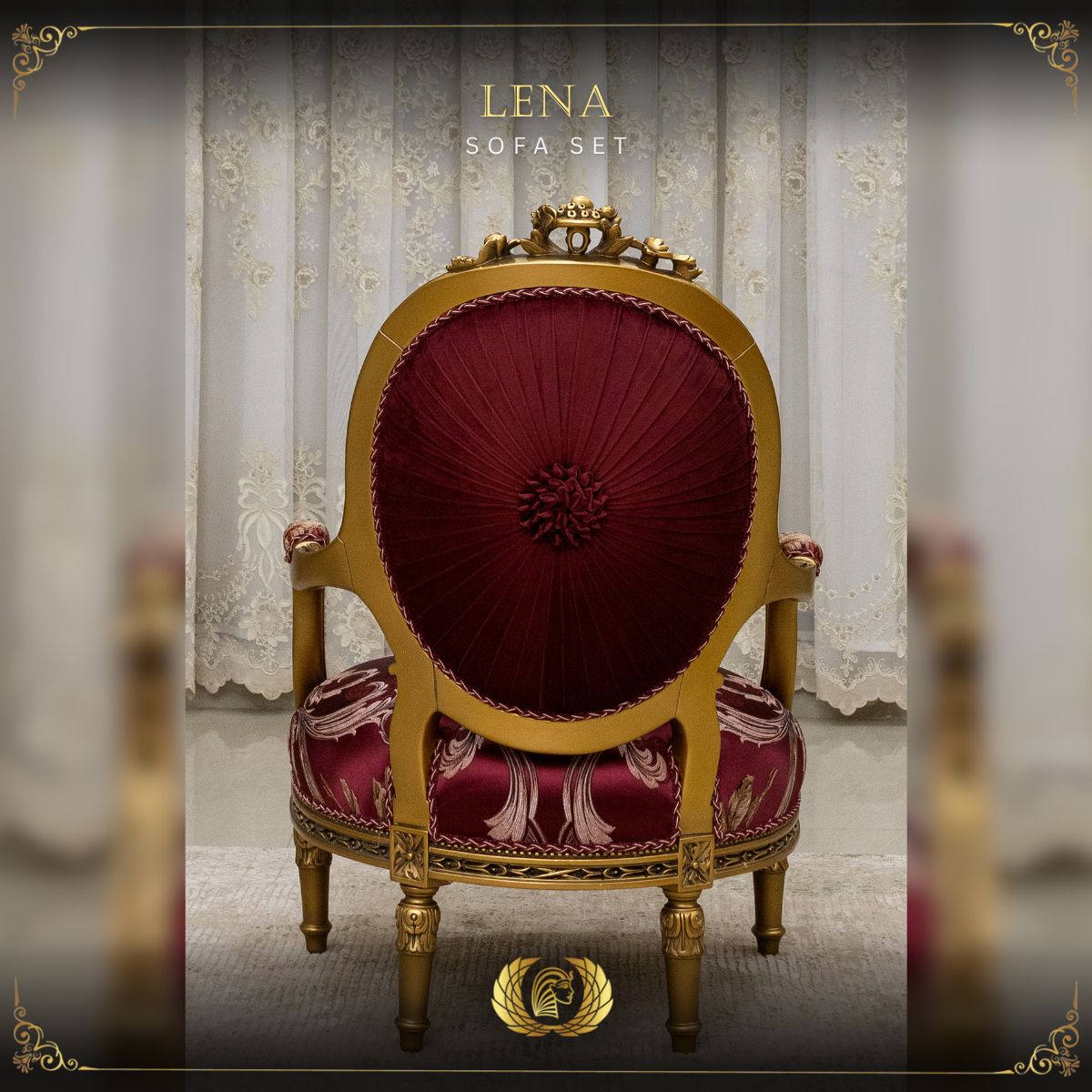
Upholstery played a major role in Victorian interiors, adding comfort and visual richness.
Popular fabrics included:
-
Velvet
-
Brocade
-
Damask
-
Tapestry
-
Needlepoint
Patterns often featured florals, vines, and elaborate motifs. Furniture was commonly decorated with fringe, tassels, and decorative trims.
Victorian Furniture vs. Other Antique Styles
Victorian vs. Georgian
-
Georgian furniture is more symmetrical and restrained.
-
Victorian furniture is more ornate and decorative.
Victorian vs. Edwardian
-
Edwardian furniture is lighter, simpler, and more delicate.
-
Victorian furniture is heavier and more elaborate.
How to Identify Authentic Victorian Furniture
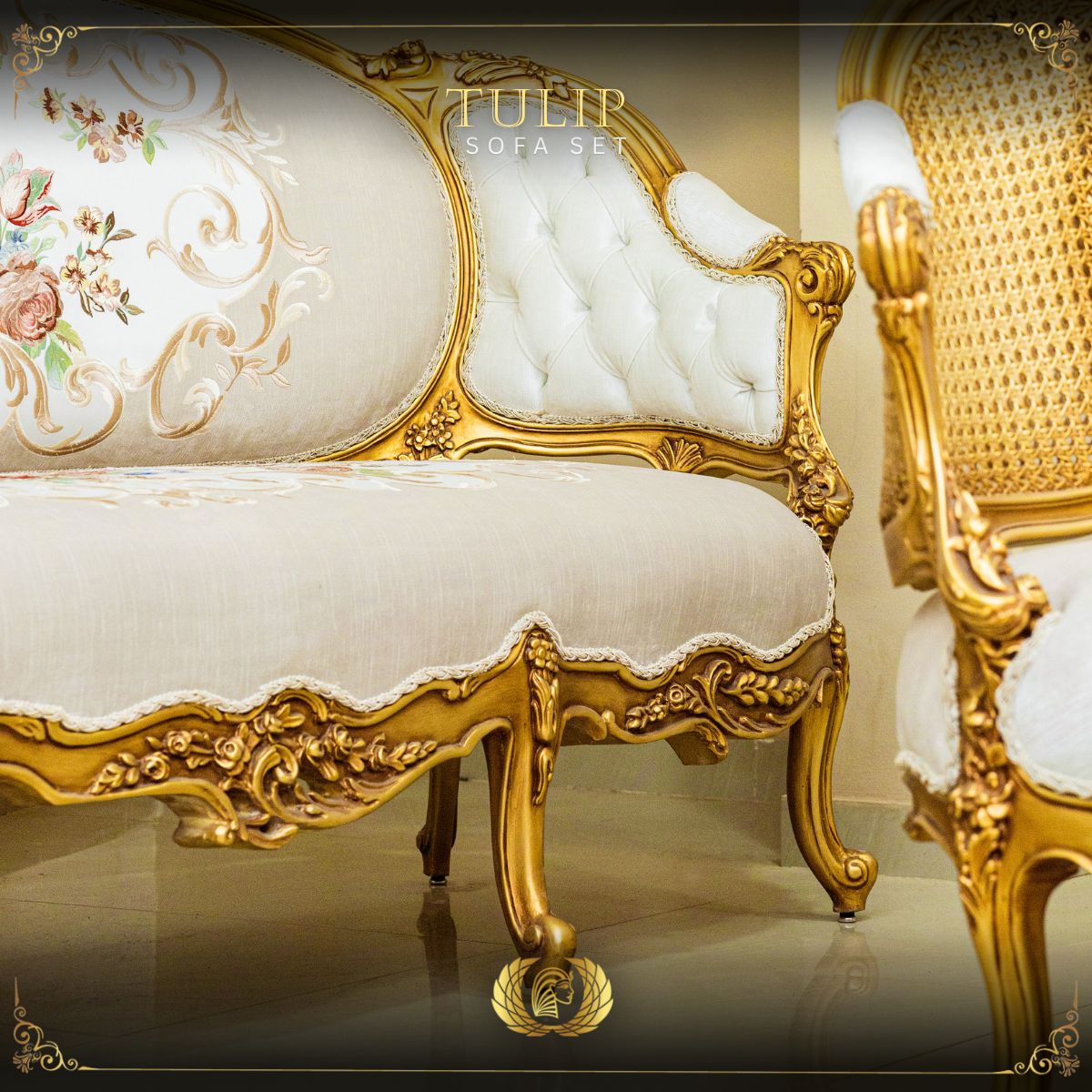
When examining Victorian pieces, look for:
-
Solid wood construction
-
Dovetail joints in drawers
-
Hand-carved details
-
Original hardware
-
Signs of age such as patina or minor wear
Authentic pieces often show subtle irregularities that indicate hand craftsmanship.
What to Look for in Victorian Furniture
Whether buying antiques or reproductions, consider the following:
-
Quality of wood and joinery
-
Structural stability
-
Condition of upholstery
-
Presence of original finishes and hardware
-
Evidence of repairs or restoration
These factors help determine both authenticity and value.
Why Victorian Furniture Is Still Popular Today
Victorian furniture remains desirable for several reasons:
-
Timeless elegance and decorative appeal
-
Strong collector interest
-
High craftsmanship standards
-
Ability to serve as statement pieces
-
Influence on modern luxury furniture designs
How to Decorate with Victorian Furniture in Modern Homes
Victorian furniture can work beautifully in contemporary spaces when used thoughtfully.
Tips for modern interiors:
-
Mix one or two Victorian pieces with modern furniture.
-
Use neutral walls to balance ornate details.
-
Add classic accessories like mirrors, lamps, and artwork.
-
Choose lighter fabrics for a fresher look.
Caring for and Maintaining Victorian Furniture
Proper care helps preserve the beauty and value of Victorian pieces.
Maintenance tips:
-
Dust regularly with a soft cloth.
-
Avoid direct sunlight and extreme humidity.
-
Use gentle wood cleaners.
-
Reupholster carefully to maintain authenticity.
Is Victorian Furniture a Good Investment?
Victorian furniture can be a worthwhile investment, especially for collectors.
Factors that affect value:
-
Age and authenticity
-
Rarity and craftsmanship
-
Condition and originality
-
Historical significance
High-quality, well-preserved pieces tend to appreciate over time.
Where to Buy Victorian Furniture
You can find Victorian furniture through:
-
Antique stores
-
Estate sales
-
Auctions
-
Specialty furniture retailers
-
Custom reproduction manufacturers
Frequently Asked Questions About Victorian Furniture
What defines Victorian furniture?
It is furniture made during the Victorian era, known for ornate carvings, dark woods, and luxurious upholstery.
What wood is most common in Victorian furniture?
Mahogany and walnut are among the most frequently used woods.
Is Victorian furniture valuable?
Yes, authentic and well-preserved pieces can be quite valuable, especially rare or high-quality examples.
How can you tell if Victorian furniture is authentic?
Look for solid wood construction, traditional joinery, original hardware, and natural signs of age.
Leave a Reply